

When It’s in Your Name, It’s Your Risk
A recent Upper Tribunal decision has made it clear that importers cannot rely on ignorance when it comes to customs compliance. The Kerrie Brennan v HMRC case shows that even when you don’t know about an import, you’re still liable if it’s made in your name. With new systems like HMRC’s Trader Record Export (TRE) on the horizon, now is the time to take control of your CDS data and protect your business.
Ignorance is No Excuse
A recent Upper Tribunal decision has sent a clear message to importers: if your name is on the declaration, you carry the risk even if you didn’t order, know about, or physically receive the goods.
The case concerned a storage unit business that suddenly found itself with an import in its name containing tobacco. The business had no relationship with the sender, no knowledge of what was inside the containers, and never had physical possession of the goods.
Despite this, HMRC issued a bill for £1.2 million in unpaid excise duty, alongside a £277,000 penalty. The penalty wasn’t for dishonesty, it was categorised as non-deliberate, but was applied because the business lacked a “reasonable excuse.”
The Tribunal made clear that “reasonable excuse” means being able to show you have carried out reasonable due diligence. Doing nothing, or relying on ignorance, is not enough.
The Broader Lesson for Businesses
This case might sound like an edge case, but it highlights a principle that cuts across all imports. Too often, companies assume that freight forwarders, agents, or suppliers take on the compliance responsibility.
That isn’t how HMRC sees it.
- The importer of record is responsible for classification, valuation, origin, and ensuring declarations are correct.
- Errors or irregularities, even if made by a third party, land squarely with the importer.
- The cost of non-compliance can be catastrophic, as this case demonstrates.
You cannot outsource accountability.

Why CDS Data Matters
The best defence against these kinds of liabilities is visibility. Your Customs Declaration Service (CDS) data is the official record of every import and export made in your name.
Reviewing this data on a regular basis can help you:
- Spot shipments you didn’t authorise.
- Identify unusual suppliers or commodity codes.
- Detect mis-valuations or underpayments before HMRC does.
- Build a documented audit trail of due diligence.
Without that visibility, you run the risk of being blindsided by imports you didn’t recognise or mistakes you didn’t catch.
Change Is Coming
Accessing CDS data today isn’t always straightforward, and many businesses struggle to get hold of it. HMRC knows this, and by the end of this year, it plans to roll out a new Trader Record Export (TRE) system, which will allow importers to access their records directly through their Government Gateway account, free of charge.
This change will be a game-changer for compliance. It will remove many of the barriers that currently prevent businesses from reviewing their data. And once it’s live, there will be even less excuse for not having oversight.
Taking Reasonable Steps
So what does “reasonable due diligence” look like in practice? Every business will need to tailor its approach, but good starting points include:
- Register for CDS access: and make sure someone in your business is responsible for downloading and reviewing the data.
- Create a review process: monthly or quarterly checks can highlight anomalies before they become liabilities.
- Validate your supply chain: ensure that suppliers and declarations align with what you expect.
- Document your checks: being able to show HMRC you have a process in place is just as important as carrying it out.
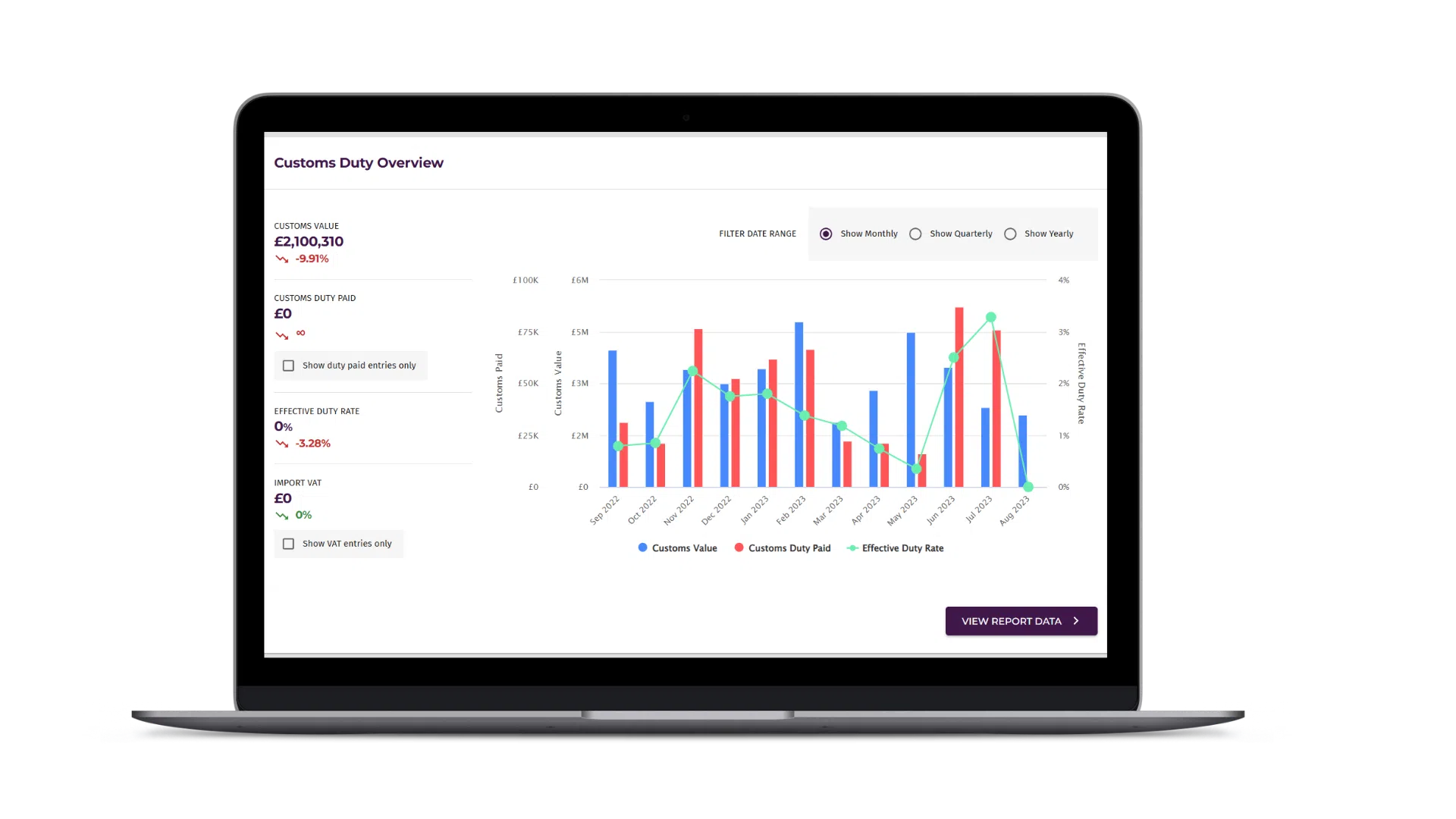
Many businesses are turning to tools like CAT360, which takes CDS data and turns it into meaningful insights without relying on data skills or industry knowledge.
The Upper Tribunal’s ruling is a sharp reminder that ignorance is not a defence.
Importers must be proactive in managing their customs risk. That means understanding what’s being declared in their name, reviewing CDS data regularly, and putting due diligence processes in place.
With HMRC’s new system on the horizon, businesses will soon have no barriers to accessing their data and no excuses for failing to use it.
When it comes to customs, the cost of not knowing can run into the millions.
Own Your Data, Reduce Your Risk
If your business wants to take control of its CDS data but doesn’t know where to start, our team at Barbourne Brook can help. We use our in-house software CAT360 to turn raw CDS data into meaningful insights – giving you clarity, compliance confidence, and control over your customs risk.
Contact Our Team …
Related Posts


What You Can’t Explain, You Can’t Control: The Visibility Gap in Supply Chain Customs
A supply chain director who has told…

UK-India Trade Deal Goes Live on 15 July: Here’s How to Be Ready for It
The UK-India trade agreement goes live…