

The Customs Dispute That Cost Far More Than £4,960
In March 2026, the First-tier Tribunal dismissed an importer’s appeal in Ponders End International Ltd v HMRC [2026] UKFTT 356 (TC). HMRC had agreed by then that the importer’s customs valuations were correct all along. The appeal still failed. And the cash at stake was the least interesting number in the case.
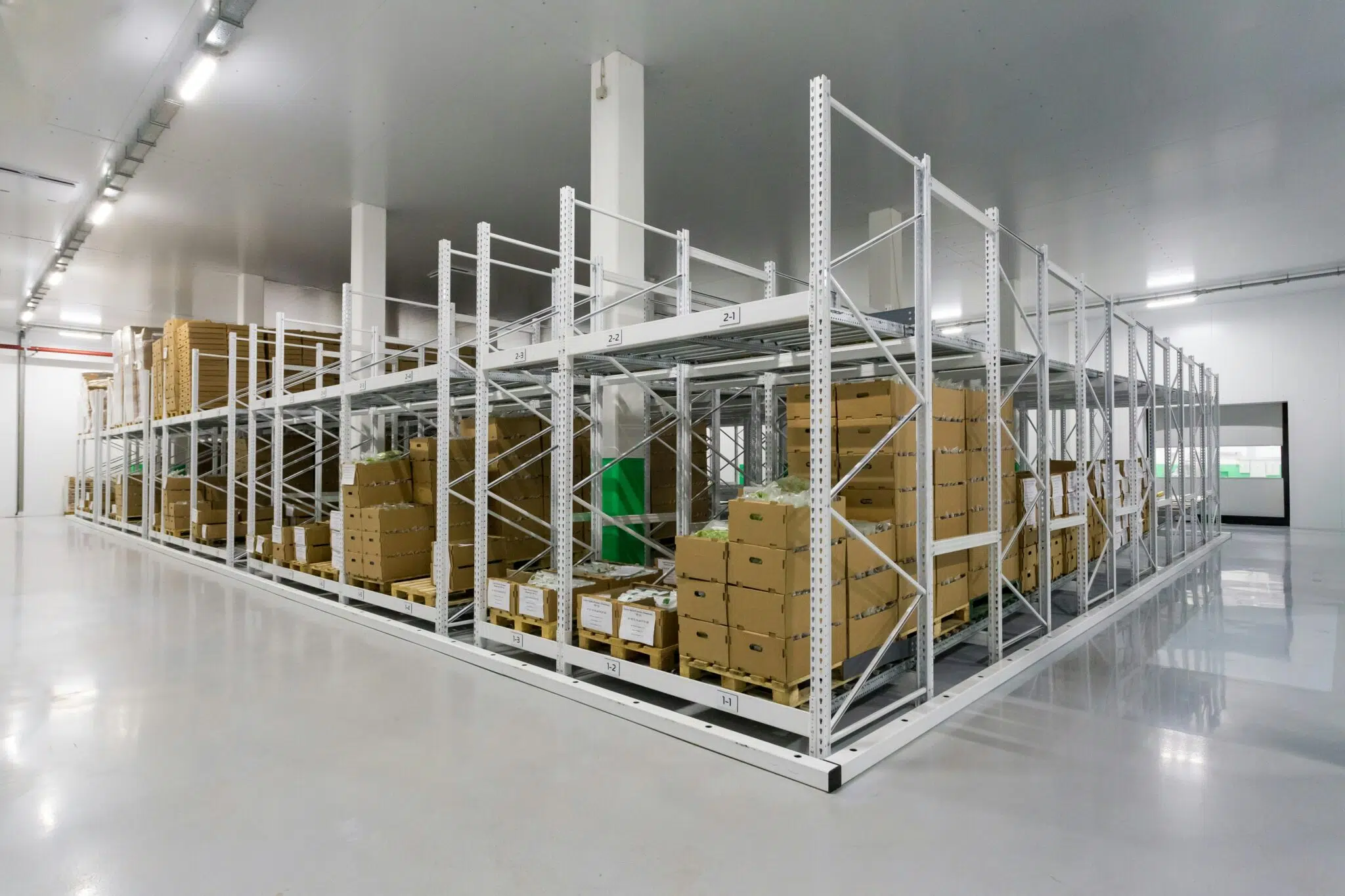
What should keep CFOs awake is what happened to the goods. They sat at Felixstowe for two months while HMRC asked questions the importer had already answered. For an end-of-line fashion importer, two months in a container is a margin write-off.
What Happened
Ponders End International Ltd imports over a million pieces a year of end-of-line stock from Puma Taiwan. The goods are previous season, often B-grade, often in sizes the UK mainstream does not buy. The discount on this consignment was 92.5% from list price. That is the commercial reality of the off-price fashion model.
The declaration was accepted on 21 August 2023. HMRC selected the consignment for inland pre-clearance examination. The customs agent had recorded all 266 cartons as originating in Taiwan. Border Force found labels showing origins from China, Bangladesh, Cambodia, Thailand, Vietnam, Turkey and Indonesia. HMRC also found weights apportioned across lines, and one commodity code declared as plastic sheeting (8% duty) where the goods were textile bags (2% duty).
HMRC offered amendments rather than seizure. The importer accepted. HMRC then required a £4,960.50 guarantee before the goods could be released. The Officer recorded that a 92.5% discount was ‘incredible’ and that HMRC’s indicative reasonable value for the consignment was substantially higher.
The importer paid the guarantee under protest on 23 October 2023. The goods were released on 25 October 2023.
The post-clearance check that would prove the valuations correct was not completed until May 2025. The guarantee was then refunded. The appeal was decided on the papers in March 2026.
Why This Case Belongs At Board Level
Three findings should travel from the customs team to the boardroom.
First, the financial number is a distraction. £4,960.50 is rounding for any importer turning over £20m or more. The number that matters is the value of the goods held and the time they were held for. For Ponders End, the consignment was seasonal fashion stock at a moment in the calendar (August to October) when residual margin is already short. Two months in a container is not neutral time.
Second, the exposure scales with what you import, not with your duty bill. For Ponders End, two months was a margin question. For a chilled food importer, two months is total loss. For a pharmaceuticals importer with shelf-life dating, the same. For a just-in-time automotive or engineering supply chain, two months stops a production line and triggers contractual penalties. HMRC’s power to hold goods until a guarantee is paid applies the same way in every case. The damage does not.
Third, the capital was held for 19 months. From October 2023 to May 2025, the £4,960.50 sat with HMRC. Not a debtor. Not a creditor. Invisible to most working capital models. There was no defined release date. The post-clearance check happened when HMRC reached it, not when the importer asked for it.
And there is a fourth point that matters specifically to the Senior Accounting Officer.
A 19-month unresolved customs valuation question, even one the importer eventually wins, is a disclosure question. It is also a key person risk question if no one in the business has visibility of it until the goods are already at the port.
The legal Point That Catches Importers Out
The Tribunal has supervisory jurisdiction only. Finance Act 1994 section 16(4) gives it the power to decide whether HMRC’s decision was reasonable at the time it was made, based on the information the officer had at the time. Whether HMRC turned out to be right is a separate question, and one the Tribunal does not answer.
The burden of proof sits with the importer (section 16(6)) to show HMRC was unreasonable.
In Ponders End, the Tribunal noted that the HMRC officer had considered the importer’s explanation, including the emails from Puma confirming the discount. He had simply found the value incredible against HMRC’s own indicative figures. That was a reasonable position to hold at the time, even though it later proved wrong.
In our experience, this is the part importers find hardest to accept. You can produce the invoices, the emails, the contract, the audit trail, and still lose. Tribunal supervises the process. It does not vindicate hindsight.
What The CFO Should Ask This Week
Two questions are enough.
- What is the longest a single consignment could be held before our supply chain, sales pipeline, or working capital felt it? Most finance teams have never run this number. For seasonal or perishable goods, it is the most important number in customs.
- Who in the business is told when HMRC asks for a guarantee, and how quickly?. In our experience, the answer is usually the customs team alone, until the cash request lands on the finance director’s desk. By then the goods are already losing value at the port.
Summary
The Ponders End importer was right about the valuations. He was also right that HMRC’s process had been heavy-handed. The appeal still failed, because at tribunal the test is reasonableness, and the burden is the importer’s. Even when hindsight proves HMRC wrong, your appeal can fail because the officer made a defensible call on the day.
That is process risk. Process risk is governed at board level, not in a customs department.
Case references:
Contact Our Team …
Related Posts

What You Can’t Explain, You Can’t Control: The Visibility Gap in Supply Chain Customs
A supply chain director who has told…