

In most businesses, customs compliance quietly falls between the cracks, touched by many but not often owned by any. Customs is not just an operational detail; it’s a material financial risk, especially now more so than ever. In our experience, Finance keeps an eye on customs but only takes an active role when something goes wrong.
If the big players are getting it wrong …
Take Nike. The brand is currently facing a €1.5 billion customs duty demand from EU authorities over its use of licensing structures. That’s not a typo: €1.5 billion.
Suppose one of the world’s most sophisticated businesses with access to elite tax advisors and compliance teams is exposed to that level of liability. How confident are you in your own customs processes?

Who owns Customs, and who checks?
Customs is often managed internally by excellent teams genuinely doing their best. But unlike direct tax or payroll, customs rarely gets a structured, independent review. How do you know things are working as well as you think? If you use third-party brokers, freight forwarders, or software platforms, ask yourself:
- Who’s checking their work?
- Are you benchmarking their performance?
- What does good look like?
We often hear, “Our in-house team are strong.” And they may well be. However, any robust control function includes an independent audit every few years. Customs should be no different. It’s not just about compliance, it’s about corporate governance.
A Finance responsibility, not just an operational issue.
This is the business of finance. Customs duty affects your bottom line directly. Non-compliance risks include:
- penalties,
- backdated duties, and
- reputational damage.
Material errors could require financial statement disclosures or restatements. Customs governance is financial governance.
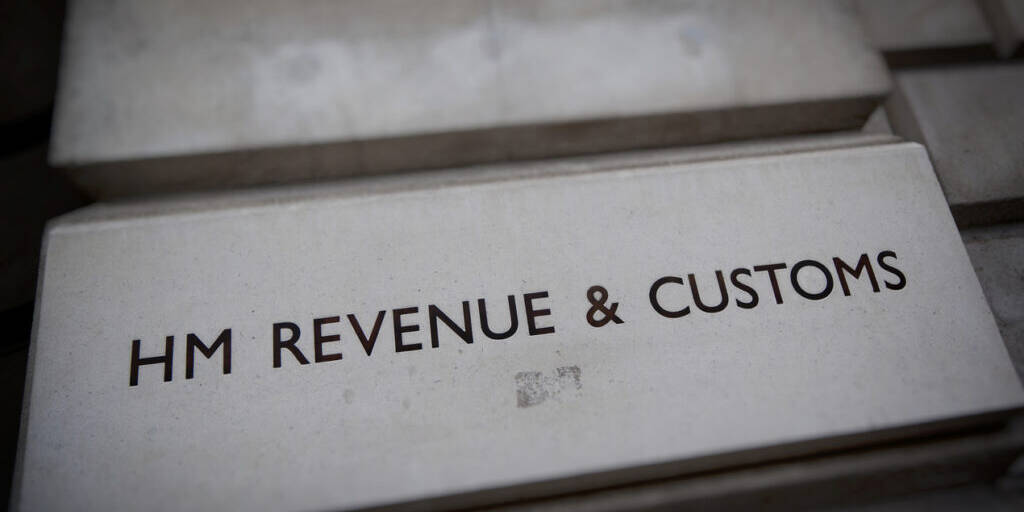
HMRC are checking Customs compliance under SAO rules.
Considering this risk is no longer optional for businesses within the Senior Accounting Officer (SAO) regime. HMRC is now actively reviewing customs as part of SAO assurance activity. If your business signs the SAO certificate each year, the person doing so is vouching for customs alongside other tax areas. Are you certain that’s a fair statement?
Start with a light-touch Customs Health Check Self-Assessment
To help you review your current setup, we’ve created a short, noninvasive Customs Health Check Self-Assessment. It’s designed for finance leaders to send internally or use themselves to get a feel for where things stand. There is no finger-pointing—just facts.
This will allow you to examine your customs function and give you a confidence rating. We are happy to mark the answers free of charge and give you a risk score. There are no tie-ins, just free advice with a view to starting a relationship with you over the longer term.
Now is the time!
If you are worried about the outcome of the self-assessment, we can offer more detailed analysis in various formats, from a light touch to a deep dive. We call this Customs Landscape, and it is our most popular method of auditing a business’s customs function. We work well with in-house teams and will give constructive advice that is free from judgment.
Customs is not always where risk appears first. But when it does, it can be seismic. Left unchecked, a quiet corner of the business can leave you exposed. As the regulatory net tightens, finance leaders have a critical role to play.
If you haven’t reviewed Customs independently in the last 3–5 years, now is the time!
Contact Our Team …
Related Posts


What You Can’t Explain, You Can’t Control: The Visibility Gap in Supply Chain Customs
A supply chain director who has told…